Case Studies
Transforming The Continuum Of Care Through Ai Integration
Explore how AI streamlines healthcare workflows with smart scheduling, automated check-ins, diagnostics, and post-treatment monitoring for better outcomes.
Explore how AI streamlines healthcare workflows with smart scheduling, automated check-ins, diagnostics, and post-treatment monitoring for better outcomes.
Healthcare
AI Engineering
8 Months
A large multi-specialty healthcare network faced systemic inefficiencies including a 25% appointment no-show rate, clinician burnout due to manual documentation, and a 15% insurance claim denial rate. By implementing an end-to-end AI strategy—spanning patient intake to post-treatment recovery—the organization increased patient throughput by 30% and significantly reduced administrative overhead.
The organization struggled with manual processes that created bottlenecks at every stage:
Staff spent 40% of their time on manual scheduling and correcting data entry errors during check-in.
Diagnostic variability among providers led to inconsistent treatment plans, and specialists were often overextended.
Revenue cycles were hindered by frequent billing errors and a lack of transparency in payment processing.
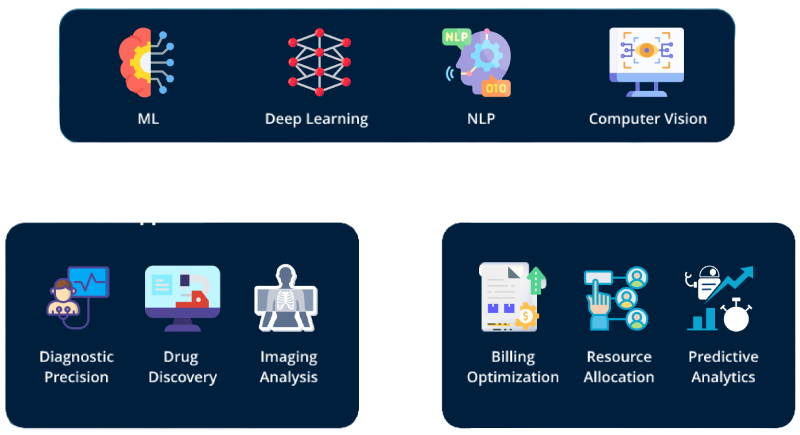
We deployed a suite of AI solutions designed to act as a "digital nervous system" for the facility:
Predictive Scheduling: AI analyzed historical attendance patterns to predict "no-show" risks, allowing the system to intelligently overbook or send targeted reminders to stabilize the daily flow.
Automated Registration: AI-driven chatbots handled the check-in process, verifying insurance and patient data in real-time against existing medical records to ensure 100% data accuracy.
Standardized Assessments: AI decision-support tools analyzed lab results and symptoms against the latest medical literature to provide evidence-based recommendations, reducing treatment variability.
Diagnostic Augmentation: AI algorithms scanned medical imaging for anomalies, flagging urgent cases for immediate review and providing a "second opinion" to reduce human oversight.
Proactive Monitoring: Post-treatment patients utilized wearable technology integrated with AI analytics. The system flagged early indicators of complications, allowing for remote intervention and reducing readmission rates.
Financial Automation: AI audited insurance claims for completeness before submission and utilized predictive analytics to forecast revenue cycles and manage cash flow.
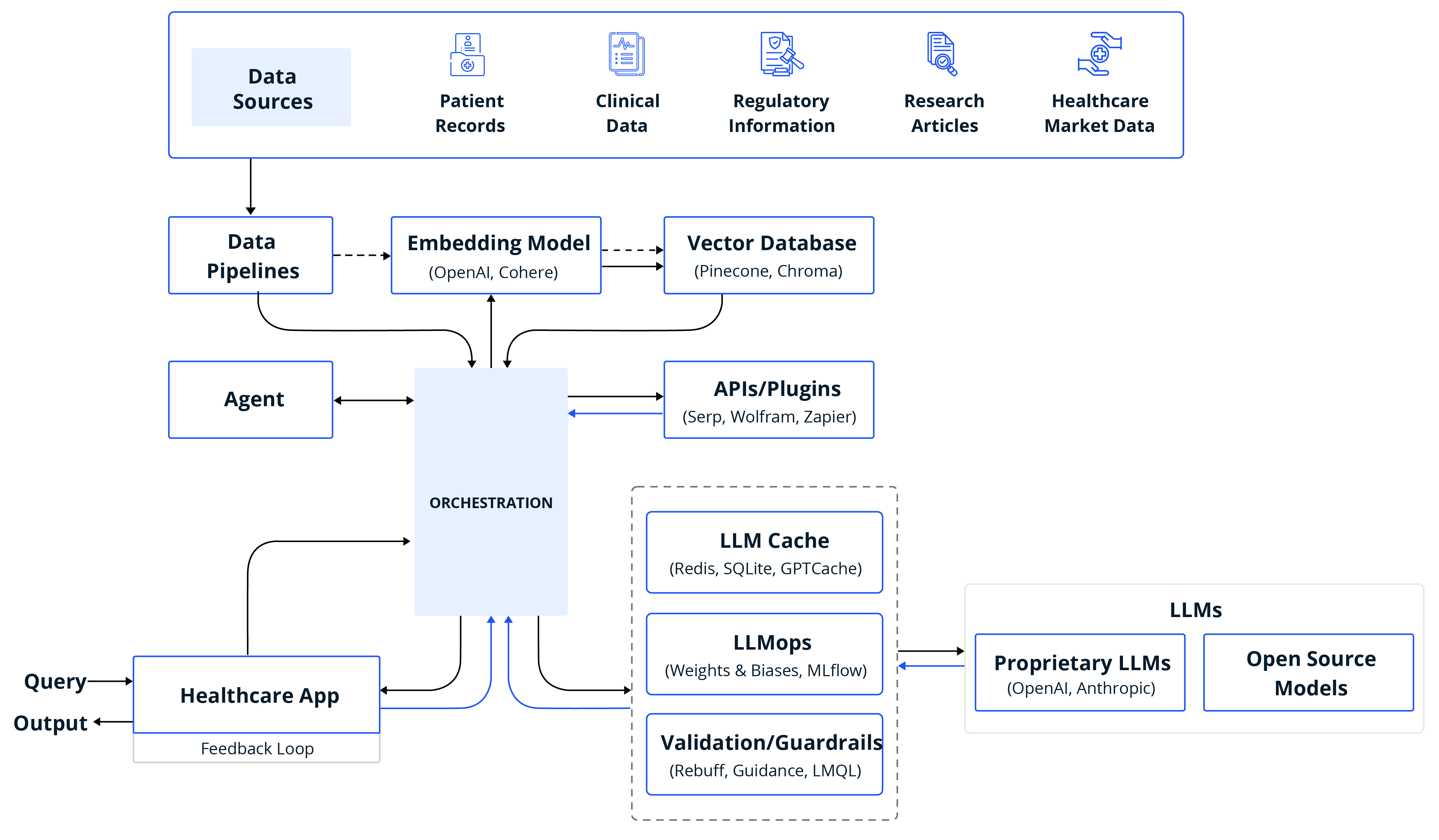
Since the deployment of ShipTrack, the system has transformed operational workflows. The development-first approach led to the following technical benchmarks:
Average Patient Wait Time
in Insurance Claim Denial Rate
in Medication Adherence
compared with previous 78%
To ensure patient safety and data security, the organization implemented a "Human-in-the-Loop" framework. AI-generated treatment plans and diagnostic flags required final validation by a licensed professional. Additionally, the system was designed to automatically update its internal logic based on the latest regulatory changes, ensuring continuous compliance with healthcare laws.
Don't let manual paperwork slow down your care delivery. Transform your credentialing from a bottleneck into a competitive advantage with our AI-driven solutions.
Get Started with AI Credentialing